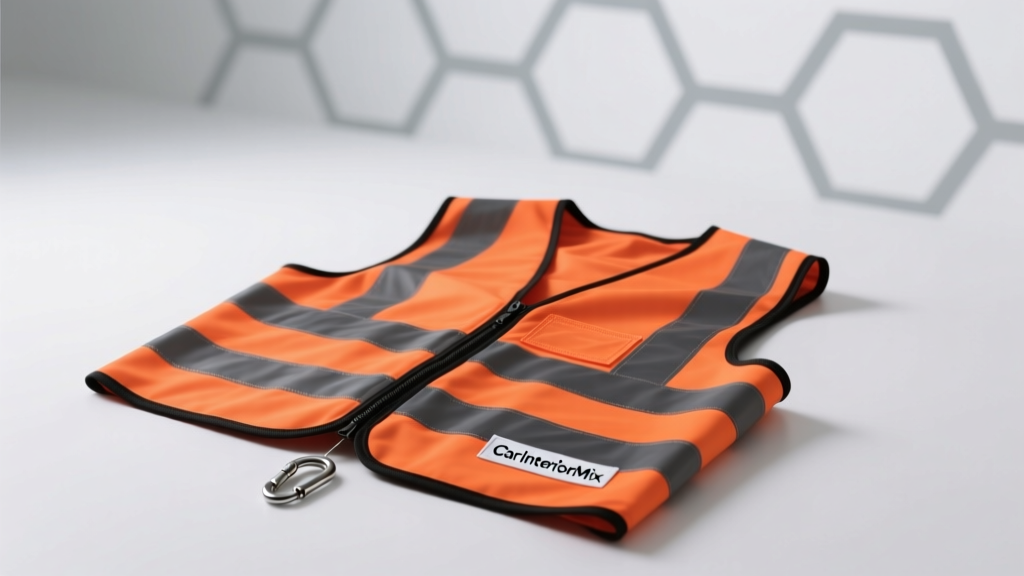
Reflective Vest Storage Warranty Guide (2026)
A reflective safety vest is one of those low-cost items you rarely think about?until you?re on the shoulder at night with a flat tire, a dead battery, or a minor fender bender. Many drivers store vests in glove boxes, door pockets, under-seat bins, cargo wells, or dedicated interior organizers. That storage choice affects more than convenience: it can determine whether the vest is usable when you need it and whether it stays covered under the warranty (if it has one).
Reflective vests live a hard life inside a vehicle. Heat cycles, UV exposure, moisture, friction, and frequent folding can degrade reflective tape and fabric. If you?ve ever pulled out a vest and found the tape peeling, the zipper stuck, or the material brittle, you?ve seen how real-world storage conditions can shorten lifespan. This guide explains what ?warranty? really means for reflective vests, what typically is (and isn?t) covered, how storage methods can affect coverage, and how to choose a vest and storage solution that holds up over time.
Whether you?re a daily commuter, road tripper, rideshare driver, or weekend enthusiast, the goal is simple: keep your reflective vest accessible, in good condition, and backed by a warranty you can actually use.
Why Reflective Vest Storage Impacts Warranty and Coverage
Most vest warranties focus on manufacturing defects, not wear-and-tear. Storage-related damage often falls into ?misuse,? ?improper care,? or ?normal deterioration,? which can be excluded. That?s why understanding the fine print?plus choosing smart storage?can save you money and keep you safer.
Common storage-related failures that trigger denied claims
- Reflective tape delamination from heat (adhesive breakdown) when stored on the rear deck or near windows.
- Cracking or flaking tape after repeated tight folding in a glove box or console.
- Mildew and odor from storing a damp vest in a sealed bag under the trunk floor.
- Snags and tears from tossing the vest under seats where rails and sharp trim catch it.
- Faded fluorescent fabric from prolonged UV exposure.
Understanding Reflective Vest Warranties: What You?re Actually Buying
Unlike major automotive parts, reflective vests vary widely in warranty terms. Some have no warranty at all beyond standard retail return windows. Others offer limited coverage (often 30 days to 1 year) that applies only to defects present under normal use.
Typical warranty types you?ll see
- Retailer return policy: Easy returns for a short period (often 30?90 days), usually best for ?arrived defective? issues.
- Limited manufacturer warranty: Coverage for defects in materials or workmanship, often excludes reflective performance drop from age or sun.
- ?Satisfaction guarantee?: Marketing-friendly promise that may function like a return policy and can require original packaging.
- No stated warranty: You?re relying on consumer protection laws and seller support.
What ?defect? usually means for a vest
Defects are issues caused by the way the vest was made?think stitching coming undone immediately, a zipper that fails within the first few uses, reflective tape applied incorrectly, or a buckle/closure that breaks under normal tension.
What most warranties don?t cover
- Damage from heat, UV exposure, chemicals, or moisture
- Normal wear (fading, scuffing, gradual loss of reflectivity)
- Improper washing (hot water, harsh detergent, dryer heat)
- Alterations (cutting, sewing on patches, adding decals that interfere with reflectivity)
- Improper storage (compressed under heavy items, stored wet, left in direct sunlight)
Coverage vs. Compliance: Why Standards Matter (ANSI/ISEA and EN ISO)
Many drivers assume ?warranty? and ?safety certification? are the same thing. They?re not. A vest can be certified to a high-visibility standard and still have a limited or non-existent warranty. But buying a vest with recognizable standards can help you avoid low-quality products that fail quickly.
Standards you may see on packaging
- ANSI/ISEA 107 (common in the U.S.): Defines performance classes for high-visibility apparel.
- EN ISO 20471 (common in Europe): Similar concept with performance requirements for visibility.
Real-world example: A budget vest without any listed standard might use reflective tape that looks bright in a garage but dulls after a summer in the trunk. A vest built to a recognized spec often uses better tape and stitching?reducing the chance you?ll need to make a warranty claim in the first place.
Best Places to Store a Reflective Vest (And How Each Affects Longevity)
The best storage spot balances three things: quick access, protection from heat/UV, and minimal crushing/folding.
1) Cabin storage (usually best for preservation)
- Seatback pocket or door pocket: Convenient, but avoid sharp items (ice scraper edges, tools).
- Center console: Good protection, but don?t compress it under heavy gear.
- Under-seat storage bin: Works well if the vest is in a soft pouch and away from rails.
2) Glove box storage (convenient, but can be harsh)
Glove boxes encourage tight folding and compression. If you use the glove box, store the vest in a loose roll (not a hard fold) and keep it away from pens, metal objects, or anything that can crease reflective tape.
3) Trunk/cargo area (good access if organized; watch heat and moisture)
- Cargo side pocket or mesh net: Less crushing and decent airflow.
- Under-floor compartment: Hidden and tidy, but can trap moisture and odors.
- Emergency kit bag: Great option if the bag is breathable and the vest stays dry.
Pro tip: Avoid the rear deck
Storing a vest on the rear parcel shelf (or on top of cargo in sunlight) is a fast track to fading and adhesive failure. If you care about warranty coverage and longevity, keep it out of direct sun.
Step-by-Step: How to Store a Reflective Vest to Maximize Warranty-Friendly Condition
- Check the label and insert. Look for washing/storage instructions and any warranty terms (time limit, proof of purchase, exclusions).
- Make sure it?s completely dry. If you used the vest in rain, hang it at home or in a ventilated space until dry. Never seal a damp vest in a plastic bag.
- Fold loosely or roll gently. Avoid sharp creases on reflective tape. A loose roll reduces cracking and peeling over time.
- Place it in a soft pouch. A simple fabric pouch or small zip pouch prevents snags and keeps tape from rubbing on tools.
- Choose a low-UV, low-heat spot. Under-seat bin, console, or a shaded cargo pocket beats the rear deck or dashboard area.
- Keep it accessible from the driver?s seat. If you break down on the shoulder, you want to put the vest on before stepping out.
- Inspect quarterly. Check reflective tape edges, closures, and fabric. Catch issues early while you?re still within warranty or return windows.
Warranty Claim Prep: What to Save and How to Document Issues
If a vest does fail, a clean, well-documented claim has a higher success rate. Most brands and retailers want the same basics.
What to keep
- Receipt or order confirmation (screenshot or email PDF)
- Packaging showing model/sku and any standard claims
- Care instructions (tag photo is fine)
How to document the problem (fast, effective)
- Take clear photos in good light: full vest, close-up of failure, and the label.
- Record a short note: purchase date, first use, storage location (e.g., ?center console in pouch?), and what happened.
- If reflectivity is the issue, take a night photo with flash from a safe location to show performance change.
Real-world example: If reflective tape peels after two weeks of normal use and you can show it was stored in the console (not baked on the rear deck), many sellers are more likely to treat it as a workmanship issue rather than ?heat damage.?
Product Recommendations: Vests and Storage Solutions That Tend to Hold Up
Rather than chasing the longest warranty, look for solid construction and sensible storage. A well-made vest stored properly rarely needs a claim.
Vest features worth paying for
- ANSI/ISEA 107 or EN ISO 20471 labeling (depending on your region)
- Sewn-on reflective tape (often more durable than low-quality heat-applied tape, though both exist in good versions)
- Reinforced stitching at stress points (shoulders, zipper ends)
- Quality closure: zipper or sturdy hook-and-loop that doesn?t clog easily
- Breathable mesh that dries quickly if used in rain
Storage accessories that help
- Dedicated emergency pouch: Keeps vest separated from tools and reduces snagging.
- Seatback organizer: Great for families and road-trippers; keeps the vest reachable.
- Cargo net or side pocket organizer: Prevents crushing under heavier items like jumper cables or a compressor.
Quick comparison: where most drivers store it
- Glove box: Best for immediate access; risk of tight folds and creases.
- Center console: Good compromise; keep it above heavy items.
- Trunk kit: Great organization; verify you can reach it safely without walking into traffic.
- Under-seat: Excellent if you use a pouch and avoid seat-rail snags.
Common Mistakes to Avoid
- Storing it wet: This causes mildew and fabric breakdown, and warranties commonly exclude it.
- Leaving it in direct sun: UV fades fluorescent fabric and can weaken reflective tape adhesive.
- Over-folding reflective tape: Sharp creases can lead to cracking and peeling.
- Throwing it in with tools: Screwdrivers, wrenches, and tire tools snag mesh and scratch tape.
- Assuming ?lifetime warranty? means lifetime performance: It usually means limited replacement for defects, not wear.
- Waiting too long to report an issue: Return windows close quickly; document and contact support early.
FAQ: Reflective Vest Storage, Warranty, and Coverage
1) Do reflective vests typically have a warranty?
Some do, many don?t. Common coverage is a limited warranty against manufacturing defects, and many purchases rely mainly on the retailer?s return policy. Check the product listing and packaging for terms and time limits.
2) Will heat damage in my car be covered?
Usually not. Heat and UV exposure are commonly listed under ?improper storage? or ?environmental damage.? If you live in a hot climate, store the vest in a shaded cabin location and avoid rear-deck storage.
3) How long should a reflective vest last in a vehicle?
It depends on quality and storage. A well-made vest stored away from sun and moisture can last years for occasional use. A vest left in direct sun or tightly folded can degrade in a single season.
4) If the reflective tape peels, is that a defect?
It can be. If peeling happens quickly under normal use and proper storage, it may qualify as a workmanship issue. If it happens after long heat exposure, repeated harsh washing, or heavy creasing, it?s often considered wear or misuse.
5) Should I store one vest per person in the car?
If you routinely travel with passengers, yes. For roadside safety, it?s smart to have enough reflective vests for all regular occupants. Store them together in a labeled pouch so they?re easy to grab.
6) What?s the best way to test if my vest is still reflective?
At night, in a safe area away from traffic, shine a flashlight at the vest from a distance and check for strong, even reflection across the tape. Also inspect for peeling edges, cracks, or dulled sections.
Actionable Next Steps
- Pick a storage spot today: Ideally the center console, seatback pocket, or an under-seat bin in a soft pouch.
- Move it out of direct sun if it currently lives on the rear deck or top of cargo.
- Create a mini documentation kit: Save the receipt email and snap a quick photo of the vest label so you have it if a claim is needed.
- Set a reminder to inspect the vest every 3?4 months (or before long road trips).
- Upgrade if needed: If your vest lacks recognized standards or shows tape cracking, replace it and store the new one correctly.
For more practical car interior organization tips, safety gear storage ideas, and product guides, explore the latest articles on carinteriormix.com.